


































Sourcing Display Modules: RFQ, Sample Control, Packing and Import Handover
A practical guide to sourcing display modules: how to structure an RFQ, control samples through order release, define packing and document handover, and prepare import questions without inventing rules or rates.
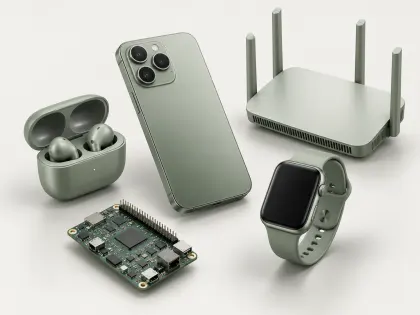
Display modules sit inside phones, tablets, laptops, smartwatches, cameras, NVRs and many control panels. Unlike a cable or a fan, a module is a stack: glass or panel, driver IC, flexible printed circuit, backlight, sometimes a touch layer, and a connector. Sourcing it means sourcing that whole stack, then proving it survives the journey and the assembly line.
Start with a specification that is measurable. State diagonal size, resolution, active area, interface (for example MIPI, RGB, SPI, LVDS or eDP), brightness range, contrast target, viewing direction, operating temperature range and connector type. Add the mechanical envelope: outline dimensions, thickness, mounting holes and the position of the flex tail. If touch is included, say whether the controller is on the module, what touch points are needed, and what cover-glass or bonding method applies. If the module is for a finished device, add the host board name and pinout so the supplier can check compatibility rather than guess.
A useful RFQ separates what is fixed from what is negotiable. Fixed items are the interface, resolution and mechanical fit. Negotiable items include brightness bins, driver IC brand, backlight type, protective film, and whether the flex is soldered or connectorised. Ask each supplier to quote against the same revision of the drawing, and to state which parameters they would change to hit a target cost. That answer reveals engineering capability more than a headline price does.
Samples are the real decision point. Ask for samples from the production line, not hand-built lab units, and record the sample serial or lot. Test them in the intended environment: power-on hours, thermal soak, vibration, drop, and repeated mating of the connector. For touch modules, test with the intended cover glass and firmware. Keep a golden sample signed by both sides, and write down the measurement method for brightness and colour so later lots are compared the same way. If a supplier cannot describe its own outgoing inspection, that is a process question, not an accusation.
Before releasing mass production, agree on change control. Any change to driver IC, glass supplier, backlight film, flex layout or firmware should require written notice and, where it affects fit or function, a new sample approval. This is the single most common source of late-stage disputes, because a module that looks identical can behave differently.
Packing and handover deserve the same attention. Display modules are sensitive to moisture, static and mechanical stress. Specify anti-static bags, tray or blister cavity, foam or corner protection, and a carton drop standard that both sides understand. State the maximum stack height and whether pallets are heat-treated or plastic. Agree who books freight, who pays insurance, and where risk transfers. For documents, list what must travel with the goods: commercial invoice, packing list, and any certificate the buyer's own import process requires. Do not assume a supplier knows your country's requirements; state them and ask for confirmation in writing.
Hypothetical scenario: a buyer needs a 5-inch 720x1280 MIPI module for a handheld terminal, 400 units to validate, then 5,000 per quarter. They send one drawing revision to three suppliers. Supplier A quotes lowest but proposes a different driver IC; Supplier B matches the drawing and offers a brightness bin range; Supplier C matches but cannot confirm flex-tail tolerance. The buyer orders 30 samples from B and C, tests them on the actual mainboard, and finds C's connector retention weaker. B wins the pilot. The contract fixes the drawing revision, requires notice before any component change, and sets a packing specification with tray and desiccant. The buyer's freight forwarder handles export clearance, and the buyer's own broker handles import. Nothing here is a legal ruling; it is a process that makes responsibility visible.
Checklist for import preparation:
- Confirm the module drawing revision, interface and connector against your host board.
- Ask for the production test flow and outgoing inspection criteria.
- Keep a signed golden sample and a written measurement method.
- Agree change-notification rules for IC, glass, backlight and flex.
- Specify ESD bag, tray, cushioning and carton drop standard.
- List required documents and who prepares each one.
- Confirm Incoterms, insurance and the point where risk transfers.
- Ask your own customs broker which classification and import formalities apply to your shipment; do not rely on the supplier for that answer.
- For medical, automotive or safety-related end uses, arrange specialist review of the module's suitability before committing.
Display module sourcing rewards precision. The supplier who can answer a drawing question clearly is usually the one who can also hold a tolerance across 5,000 units.
Share the product, specifications, quantity and destination to discuss sourcing options.